
Legacy system modernization
Modernize your legacy systems without shutting the business down.
Most companies don't need a rebuild. They need the system they already depend on to be faster, safer and ready for what's next. We modernize it piece by piece, so every stage ships to production while your team keeps working.
Sound familiar?
- Only one person knows how the system works, and they're thinking about leaving.
- Simple changes take weeks and break something else.
- Your team re-types data between tools that don't talk to each other.
- The framework, language or server is out of support.
- You want to use AI, but your data is locked inside an old system.
What you get.
Discovery sprint: $5,000–$15,000. Then a fixed price per stage, agreed before work starts.
Systems map
A plain-English picture of what you run, how it connects and where it's fragile.
Staged roadmap
Modernization broken into fixed-price stages, each one safe to ship on its own.
Upgraded code and infrastructure
Supported frameworks, cloud hosting, automated tests and deployments.
Documentation
So your system no longer depends on one person's memory.
How it works.
Fixed price, agreed up front. Nothing goes live until it's tested.
- 1
Review
A free 2-hour call to understand what you run and what's hurting.
- 2
Discovery sprint
Two to four weeks inside your systems. You get a map, a staged plan and a fixed quote.
- 3
Modernize in stages
We replace one piece at a time behind the scenes. No big-bang cutover.
- 4
Support
The team that did the work stays on to keep it running.
- Fixed price, in writing
- You own 100% of the code and IP
- The team that builds it supports it
- Never billed by the hour
- Founded 2009
- US time zones, fluent English
Proof.
Results from clients who trusted us with this work.

 Consumer products
40,000+ product testers on the platform
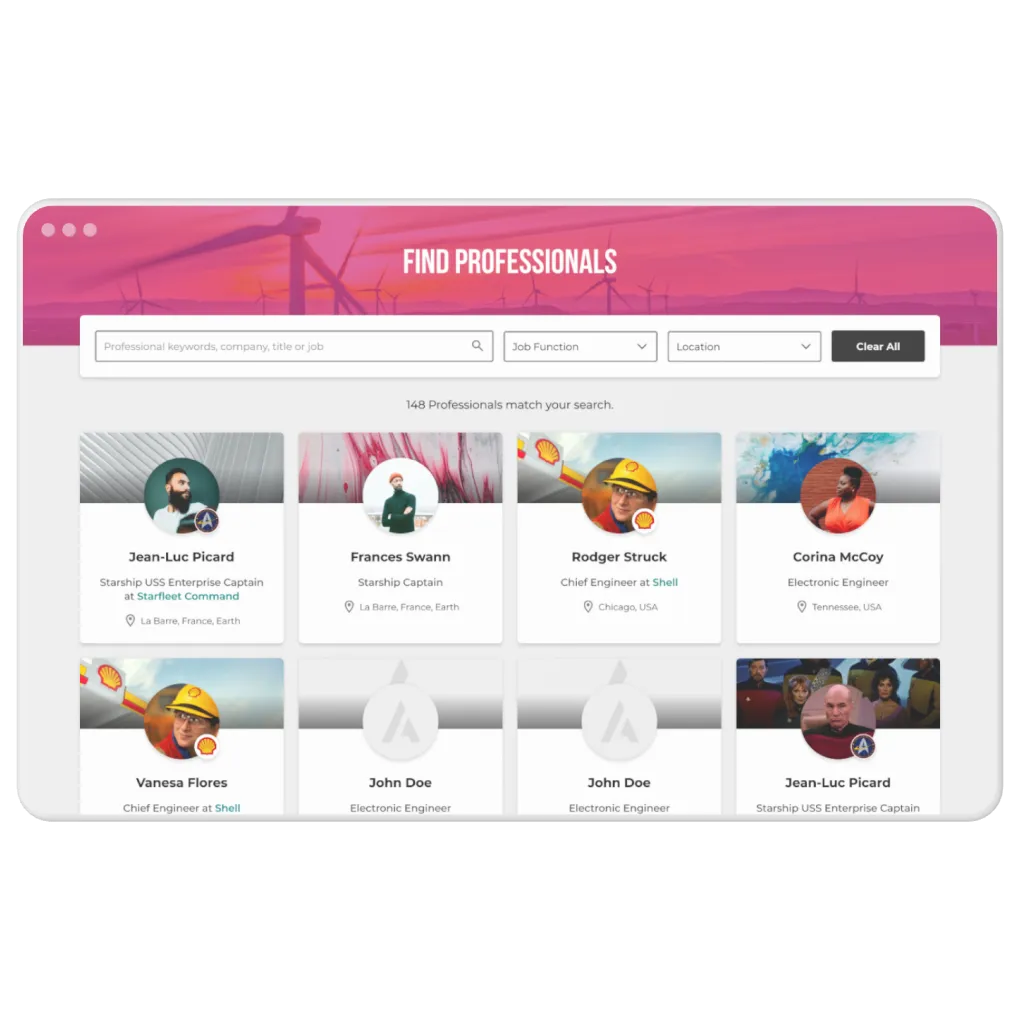
Restructured a 40,000-tester platform for a major brand contract and led its move off a legacy codebase.
Mesh01
Read the story
 Energy and climate
Web platform
Folded an acquired platform into the product and moved member content from WordPress to HubSpot.
Ally Energy
Read the story
 Business software
2× user capacity over the old manual process
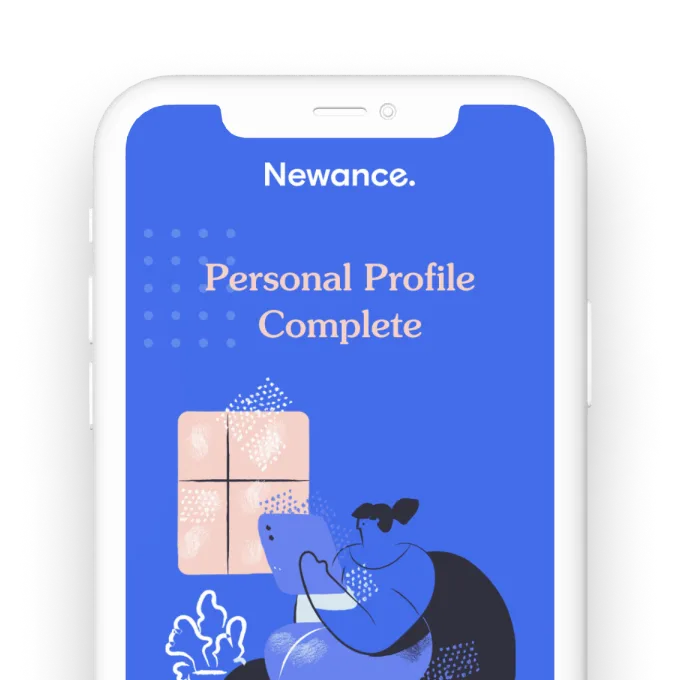
Replaced chat threads and spreadsheets with an app built for twice the users.
Newance
Read the storyCommon questions.
Do we have to replace our current system?
Usually not. We keep what works and modernize what doesn't, one stage at a time. A full rebuild is only on the table when it's genuinely cheaper than upgrading, and you'll see the numbers for both.
Will our team be interrupted?
Each stage ships behind the scenes and goes live only when it's tested. Your people keep working in the tools they know until the new piece is ready.
What if the original developers are gone?
That's the most common situation we walk into. The discovery sprint includes reading and documenting the existing code, so nothing depends on people who've left.
Show us what you run. We'll tell you what it takes.
In two hours, a senior engineer will look at what you run, tell you honestly what it would take to fix, and give you a rough cost. No pitch, no obligation.